What is the Best Method of Killing Mold?
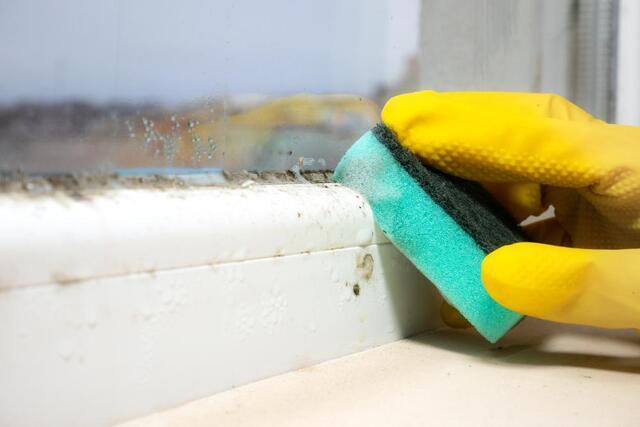
Have you looked online for the best methods to get rid of mold? Your answers probably range from “natural remedies” to bizarre chemical concoctions and everything in between. There are many different methods of getting rid of mold and some work better than others.
Vinegar is often considered a good tool for killing mold because it can penetrate porous surfaces and reach the mold's roots. Mold can have deep roots especially on materials such as wood, drywall, and grout. Vinegar can soak into porous materials and kill several different mold species. Vinegar contains acetic acid, which helps eliminate mold and reduce the chance of future growth. When articles suggest vinegar for mold removal they usually are referring to distilled white vinegar with at least 5% acidity.
Another reason many people suggest vinegar is they believe it is safer and a more environmentally friendly option than bleach or other harsh chemicals. Their thought is it produces fewer harsh fumes than bleach and does not release toxic gases when used properly. Because it is biodegradable and commonly available, vinegar is often recommended as a “natural” and practical mold treatment for routine cleaning and prevention.
While vinegar is touted on many sites, bleach is considered by some to be superior to vinegar for killing mold because it is a powerful disinfectant that can quickly eliminate mold spores on non-porous surfaces. Tile, glass, bathtubs, and countertops can be sanitized with bleach, helping to prevent mold from spreading. Compared to many other substances, bleach has strong antimicrobial properties, which makes it a popular choice for cleaning visible mold and restoring surfaces to a sanitary condition.
People who favor bleach will also argue that bleach has the added advantage of removing mold stains and discoloration. Mold often leaves dark marks that can remain even after the mold itself has been killed. Bleach not only destroys many mold spores on the surface, but also whitens and brightens affected areas, improving their appearance. For homeowners concerned with both sanitation and aesthetics, bleach can provide faster and more noticeable results than vinegar.
While bleach and vinegar may be useful tools when there is a small spot of mold on your bathroom tile or on the grout in your shower, if you have a mold issue in your home, DIY is not the best way to go. To take care of a mold problem correctly you really do need professional remediation.
Be aware, not all professional mold remediation is the same. Traditional mold remediation calls for ripping out all materials that have mold (drywall, studs, framing, etc.) and replacing them with new material. This is costly, time-consuming and could be dangerous. Moving materials that have mold on them can allow mold spores to become airborne which can cause additional health problems in your home. Unless the materials have true structural damage, the best remediation is done with Non-Toxic Bioremediation mold solution which allows building materials to stay in place while mold is destroyed. Working with a company like Mold Solutions by Cowleys can ensure that your mold problem is taken care of quickly and safely.