All This Snow Can Lead to Mold In Your Home
Spring will be here soon, but we may still be dealing with the aftermath of all that snow well into the time that the flowers start to bloom. With large amounts of snowfall this winter there are a few steps you should take around your home before we start to see the flowers bloom, to help keep mold from your home.
There were a few storms already this winter that included significant snowfall. When snow piles up against foundations, roofs, and siding, there can be serious problems when it melts. When the snow liquifies, the water can seep into basements, crawl spaces, and foundation cracks. The large amounts of snow that melt on your roof can back up under roof shingles forcing your shingles to shift and excess moisture to accumulate. Once moisture gets into walls, insulation, roofing materials, or other parts of your home it can take a lot longer than you would expect to dry. The reduced amount of sunlight during the day and the colder temperatures mean that moisture can stick around for a while.
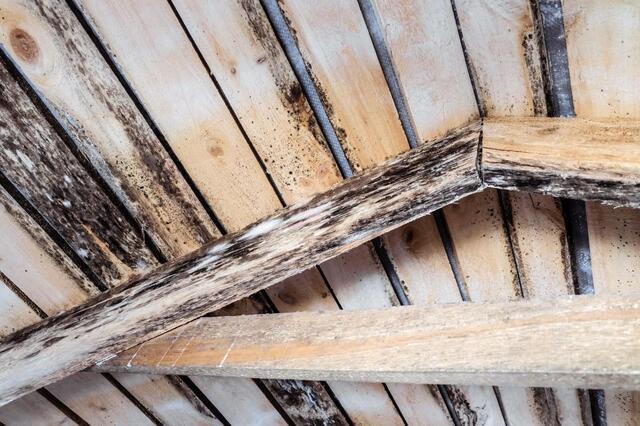
Even before the beginning of spring, you should check for the early warning signs of a mold issue. You will need to use many of your senses when it comes to finding mold. First, use your eyes. Do you see any spots around the house that were not there before? Look for water rings that slowly grow over time. Check the baseboards, especially if you have them in the basement, for dark spots. These spots can be on the baseboards themselves or slightly above them indicating that they may originate behind the baseboard. Look for yellow, brown or gray patches on walls and ceilings. Remember, mold is not always black. Unfortunately, due to all the talk about “black mold,” white and light gray molds are often overlooked which can be dangerous.
Next, use your nose. Go into your attic, basement, and up against exterior walls, do you smell a musty odor? Many people say that mold smells “musty” or “earthy.” If you are noticing this smell, especially when the snow melts or on warmer winter days, this is a very good indication that you could have a mold problem.
Lastly, use your sense of touch. Put on latex gloves and touch your walls. Does the drywall feel spongy or soft? When you rub your hand across the wall does the paint lift? Does it feel like the wall is warped in any area? These are all signs that there could be moisture trapped behind the surface which is creating the perfect habitat for mold.
If you go through these steps, and think you might have mold, there are a few things you should do. First, if you have a dehumidifier use it. If there is still snow on the ground, move it away from your home’s foundation. Look at your roof and check the gutters for ice blockages. Although these are all important steps, if you think that you have a mold issue the best thing to do is to give us a call. We can inspect your whole house, get rid of the current mold, and help you devise a plan to make sure the mold does not return.