


Never Ignore Mold Problems in Your Business
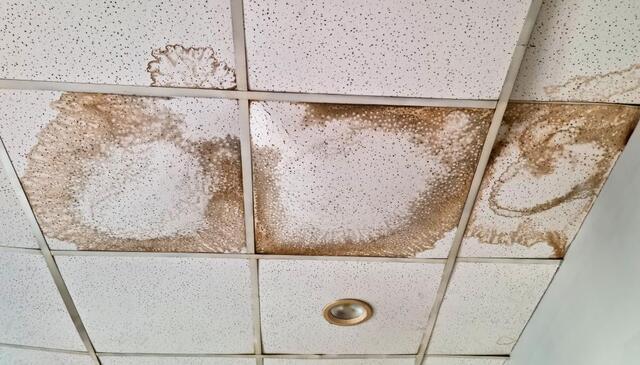
Do you own or manage a commercial property and think there is a chance you have a mold problem? Mold problems are not always obvious, but in a commercial building, mold should never be ignored. There can be serious repercussions for both the property and the people who work or visit there. It is important to understand why mold problems arise, what the signs are of mold, and what can be done to take care of the problem.
Mold can be present in commercial buildings for many different reasons. Roof leaks, plumbing problems, leaking windows, flooding, and poor drainage can all allow water to enter a building and create the damp conditions mold needs to grow. Even small, unnoticed leaks behind a wall or underneath flooring can provide enough moisture for mold to develop. If these problems are not discovered and repaired quickly, mold can begin growing and spreading throughout the affected areas.
Another common reason mold develops in commercial buildings is poor ventilation and high indoor humidity. Large buildings often have complicated heating, ventilation, and air conditioning (HVAC) systems that may contribute to moisture problems if they are not properly maintained. Condensation can collect around air ducts, windows, ceilings, and other cool surfaces, creating an environment where mold can thrive. Areas such as basements, storage rooms, bathrooms, kitchens, and mechanical rooms are especially vulnerable because they may have limited airflow.
Three common signs that mold may be present in a commercial building are visible discoloration, musty odors, and unexplained moisture damage. Mold comes in many colors, including black, green, gray, and white. These spots may be visible on walls, ceilings, floors, carpeting, and other building materials. It may also appear as discoloration, staining, or fuzzy patches around windows, pipes, and ceiling tiles. Another warning sign is a persistent musty or earthy smell, especially in areas such as basements, storage rooms, bathrooms, and mechanical rooms. Even if mold cannot be seen, an unpleasant odor may indicate that mold is growing behind walls, underneath flooring, or in other hidden areas. Lastly, watch for water stains on ceilings, peeling paint, bubbling wallpaper, damp carpeting, condensation around windows, and reoccurring leaks. These can all indicate conditions that encourage mold growth. Commercial property managers should pay close attention to these warning signs because mold can spread quickly when moisture problems are left untreated.
Addressing a mold problem as soon as it is discovered can prevent a small issue from becoming a much larger and more expensive problem. A building with a mold problem can create an uncomfortable and unhealthy environment, potentially affecting employee productivity, attendance, and overall satisfaction. Keeping indoor spaces clean and free of mold helps create a healthier environment for everyone who enters the property.
If you have seen any of the common signs of mold, or think you may have mold for other reasons, contact a reputable company that has experience with commercial sites. If you are in New Jersey, the best company to meet your needs is Cowleys. Mold Solutions by Cowleys offers inspections and estimates for commercial mold removal. We inspect your facility to determine the underlying cause of the mold, treat the mold, and take the necessary steps to prevent its return. We have the training, equipment, and expertise to effectively remediate the mold in your commercial structure.

