

Can Mold in Schools be Harmful?
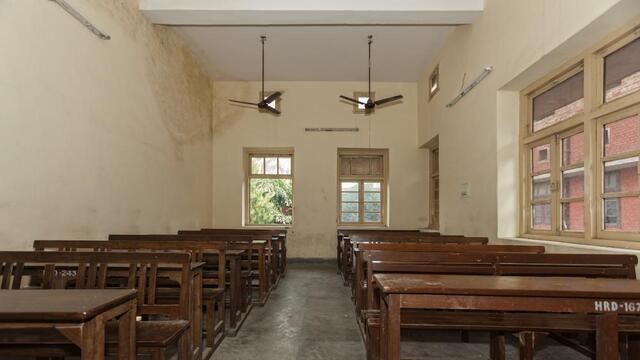
With the introduction of block scheduling in many areas, older students may be in a single room for 90 minutes, while the youngest children in a school or a day care setting, may literally be in the same room almost all day. This is particularly problematic because classrooms tend to be small, enclosed areas with limited air flow where children and teachers continuously breathe in the same air. If mold is present in the classroom, it can trigger health issues with children, especially those with pre-existing allergies or respiratory problems.
Breathing in mold-laden air is not good for anyone, but children are particularly susceptible. Indoor mold exposure, particularly in damp buildings, is a major risk factor for adverse health issues in children. Inhalation of mold has been associated with worsening asthma, allergies, and respiratory issues. Children are more vulnerable to mold than adults due to their higher air inhalation rates. After being exposed to mold, many children experience symptoms like wheezing, persistent coughs, chronic fatigue, and skin rashes.
While spring is a season in which we see a great number of people suffer from the effects of outdoor allergens, like pollen, your child’s sneezing and other problems might have another cause. Like pollen, mold spores can also act as allergens, causing allergic rhinitis (runny nose, sneezing), itchy and watery eyes, as well as skin rashes. Some people have even experienced neurological issues like fatigue, headaches, and sometimes issues with concentration.
While many of these issues will go away when the child is removed from the effected area, it is believed there could be long term effects. Research shows that infants and young children who are continuously in a room with visible mold are significantly more likely to develop asthma by age seven.
So, what do you do if you suspect that there could be mold in your child’s classroom? Staying silent is not going to make the problem go away. Reach out to someone who can listen to your concerns and act on them. With older children this may be a principle, with younger children this may be the director of the school or day care center.
When you speak to them, make sure you explain exactly why you feel there could be a mold problem. It may be beneficial to give the school information about how best to have mold removed safely. While many janitorial staff members are excellent at their job, they have not been extensively trained in mold removal. Having them remove the mold could lead to more mold spores being released into the air, compromising their safety and the safety of other people in the school.
When dealing with mold, the best option is to use a company that ensures that all employees are licensed and certified by the Department of Environmental Protection and are continuously trained on a weekly basis in safety, and the latest, most effective mold methodologies. It is also good to look for a company that is a member of the Indoor Air Quality Association, like Mold Solutions by Cowleys!
