Have We Always Worried This Much About Mold?
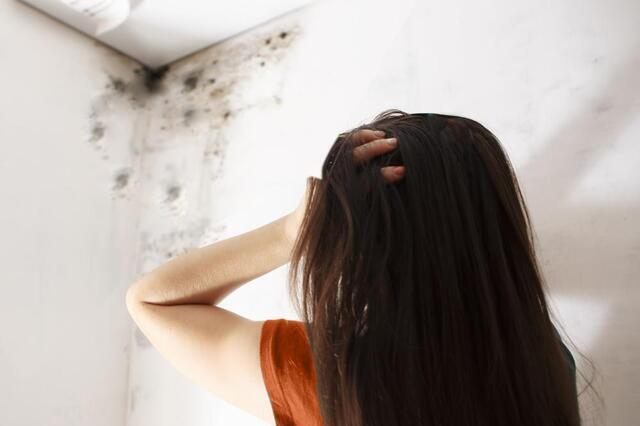
Mold, as a life form, has naturally existed on Earth for hundreds of millions of years. Our relationship with mold has changed over the years from not understanding it, to revering it, to fearing it. Mold has become an important part of our everyday lives but encounters with the wrong kind of mold can lead to serious medical issues.
In ancient times a variety of different civilizations used mold for medical purposes. The Chinese and Egyptians used moldy bread and soybean products as remedies to treat infected wounds. In more recent history, in 1928 the Scottish bacteriologist Alexander Fleming made the official scientific discovery of life saving penicillin in his London laboratory.
Historical interactions with mold were not always positive. In the 1920s, moldy livestock feed led to a severe agricultural crisis. Moldy sweet clover fed to cows led herds of cattle to spontaneously hemorrhage and die. While the dangers of mold may have been known for many years, it was not until the 1990’s when the discussion of the harmful effects of mold really became a topic of conversation across the country. The public panic surrounding indoor "toxic mold," specifically Stachybotrys chartarum, was sparked by the publication of several controversial studies linking mold exposure to infant pulmonary hemorrhages. While some of the veracity of these studies has been questioned, the studies did help to bring to light the possible dangers of indoor mold.
By the early 2000’s the mainstream medical and scientific communities established a more definitive consensus on mold. The National Academy of Sciences officially released a report linking indoor mold exposure to respiratory illnesses, coughing, wheezing, and aggravated asthma. What that means is mold found in homes poses serious health risks to occupants, especially those with allergies, asthma, or weakened immune systems. Mold releases tiny spores into the air that can be inhaled. Once inhaled, these spores cause symptoms like coughing, sneezing, nasal congestion, throat irritation, and eye irritation. Prolonged exposure to mold may worsen respiratory conditions and lead to more severe health complications for sensitive individuals.
In addition to its effects on human health, mold can cause significant damage to the structure of a home by eroding building materials. Mold thrives in damp environments and can grow on drywall, wood, insulation, carpeting, and other surfaces. As the mold spreads, it can weaken building materials, compromising the integrity of the property if left untreated.
While we have known for a while that mold is a problem, we are now much better equipped to deal with it properly. In the past, any material that had mold on it would be physically removed from the home. While in theory this is a good idea, in practice, when the items were removed it often sent mold spores into the air allowing them to reestablish in another location. When it comes to mold removal, working with a specialist that uses a non-toxic, non-carcinogenic bioremediation solution (like Mold Solutions by Cowleys), is the best option for your family's health and safety.