


Keep Yourself Safe from Mold This Holiday Season
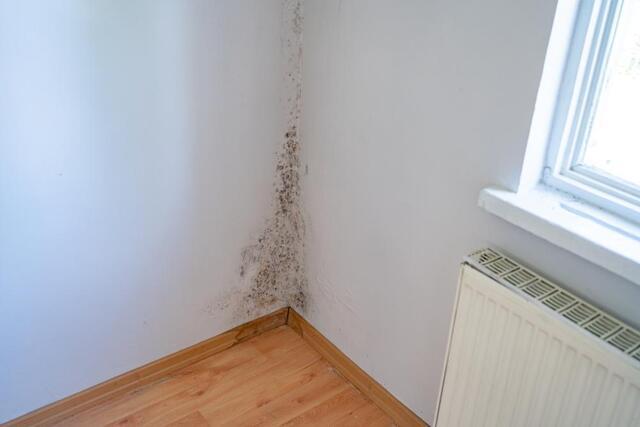
This is the time of year when many of us are traveling non-stop. There are some pests that can be picked up and transported home during travels (bed bugs are notorious hitch hikers), but is mold able to do that as well? Here are some important facts to know about mold to keep your family safe this holiday season.
Although we might find this fact off-putting, mold spores are all around us all the time. Mold does not need to travel home in a bag from Grandma’s house, because it is likely already in your home. Microscopic mold spores are present in the air. In nature, this is very important. Mold breaks down organic matter which returns nutrients to the soil. Outside, mold is imperative for a healthy eco-system. In your home, mold wants to do the same thing. It wants to break down organic matter. Unfortunately, the organic matter in our homes, like wooden studs and drywall, are important both aesthetically and structurally.
What takes mold spores from simply being in your home to growing in your home is having the right conditions. Mold has to have very specific needs met in order to grow. If you want to make sure mold does not grow in your home, you need to make your home inhospitable to mold.
Mold needs moisture to grow. Moisture in your home can come from a variety of places: cooking, showering, and drying laundry can all create an excessive amount of moisture in the air. Another sneaky culprit, for adding moisture, is leaky pipes. Just a small leak can create enough moisture for mold to grow.
It's recommended that you keep the relative humidity level in your house between 30% and 50%, when it is over 60% mold grows more easily. While many homes stay at this level in the winter due to the way we heat our houses, there could be some areas where the humidity levels go above 60%. Running an exhaust fan in your bathroom during and after showering can help keep your humidity level down. Another important place for an exhaust fan is in your kitchen.
Unfortunately for us, mold likes to grow in the same basic temperature range that we keep our homes, between 60 and 80 degrees Fahrenheit. However, mold can grow in temperatures as low as 32 degrees and as high as 95 degrees, so trying to adjust your home’s temperature just to reduce the chance of mold is not very beneficial.
The last condition mold needs to grow is a food source. You simple can not starve mold out of your home. There are too many items within your home that are susceptible to mold. Mold needs organic matter, and in your home that can be found in a variety of places from drywall and insulation to fibers in your rug.
If you find mold in your home, don’t spend time worrying about how the spores got into your home, worry about how to get rid of it quickly. When mold feeds on organic materials the colony expands, creating more mold spores. These new spores can travel through the air and settle in new damp areas of your home. This means that not only will the initial mold colony grow, new mold colonies will begin to form in other areas of your home. If you find mold, contact Mold Solutions by Cowleys! We can both get rid of the existing mold, as well as help you create a plan to keep mold from growing in the future.
